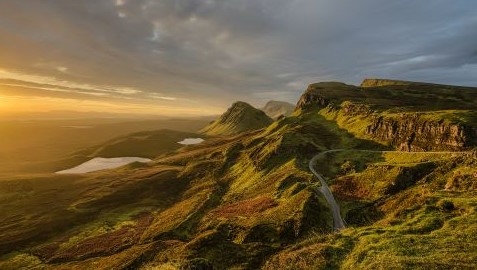
Maggie and Rabbie are using their detective skills to find out what makes our air polluted. Help them explore the picture below - just click on the picture when you think you've found one, there are 9 things to find!
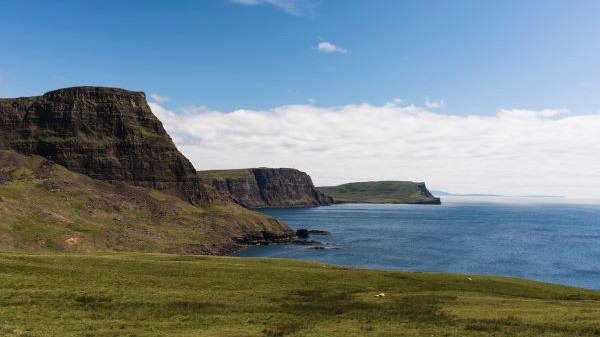
You might think that the countryside is clean and free of any air pollution suspects. But... the wind can carry the air pollutants between crime scenes, so that emissions from the city can affect the air in the countryside.
In the summer, nitrogen oxides can react with other pollutants in sunlight to make ozone. On very hot and still summer days in the countryside, levels of ozone can build up to harmful levels. This can affect our breathing, especially people with asthma or other breathing difficulties.
CloseAnimals like cows and sheep spend lots of time eating grass and digesting it. One of the suspects, a colourless gas called methane is produced in their stomachs when bacteria break down the food that they eat. The gas is then released when they burp or break wind!
Across the whole world, livestock is the biggest source of methane. Methane is the second most important greenhouse gas which can cause climate change.
CloseMost power, or electricity, that we use is made from burning fuels like coal, gas or oil at power stations. When they are burnt, air pollutants are released into the atmosphere.
The main air pollutant suspects that come from power stations are nitrogen oxides, sulphur dioxide and particulate matter as well as greenhouse gases which can cause climate change.
CloseThe weather can affect the air pollution levels. If it's raining, this washes the pollution out of the air. When its really windy, this mixes all the pollution into the atmosphere, spreading it out so there's not too much in one place.
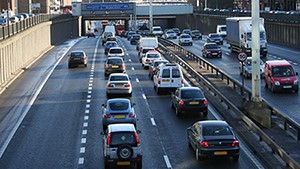
CloseWhen there were lots of factories, towns and cities used to be very dirty. Now, the main source of air pollution in towns and cities is road transport – cars, vans, lorries, buses and coaches. Air pollution is worse near to busy roads but better away from the traffic.
But be careful when you examine the crime scene – the weather can help to make pollution levels lower by blowing the pollutants away. On a very windy day air pollution is often very low, with few suspects at the scene!
CloseRoad traffic is one of the biggest sources of pollution in Scotland. Vehicles like cars, motorbikes, vans, buses and lorries run mostly on petrol or diesel. When petrol and diesel are burnt in the engine, pollutants are given out from the exhaust of the vehicles.
The main suspects that you might find near busy roads are nitrogen oxides, carbon monoxide and particulate matter. Bigger vehicles with bigger engines put more pollution into the atmosphere. Road transport is the biggest source of nitrogen oxides in Scotland.
CloseLots of factories were built in Scotland during the Industrial Revolution in the 1800s, mostly near to the big towns and cities. Nowadays the main industries tend to be in the countryside, to try to keep the cities clean.
The suspects that you might discover around industrial sites are nitrogen dioxide and sulphur dioxide. But don’t forget that the wind can transport pollution between the crime scenes, into towns and cities from the country.
CloseTrains are a great way of moving lots of people around the country, and they cause a lot less pollution than the same journey made by car.
But trains do pollute the environment – even electric trains because the electricity that they use is generated at a power station. When these fuels are burnt, pollutants like nitrogen oxides, sulphur dioxide and particulate matter are let into the atmosphere.
CloseIn the UK, waste disposal is the biggest emitter of methane, with livestock and agriculture coming second. The rubbish that we throw away decomposes in the ground and releases methane gas into the atmosphere.
Methane is the second most important greenhouse gas after carbon dioxide, which means that it also contributes towards climate change.
Close